Decks provide a clear extension of the home into the yard, creating usable space for daily activities and seasonal gatherings. Custom deck design allows homeowners to shape that space around how they live, rather than forcing their needs into a fixed layout.
Custom deck design accounts for the specific conditions of the home and site. Instead of relying on standard dimensions, these decks adapt to grade changes, layout constraints, and entry points, resulting in outdoor living spaces that align cleanly with the home’s interior flow.
Decks extend living areas beyond interior walls. A well-planned deck increases usable square footage without changing the home footprint. According to the National Association of Home Builders, outdoor living features remain among the most requested residential upgrades in 2024.
If you’re thinking of upgrading to a custom outdoor solution, here’s what you need to know about crafting decks for exceptional living.
Benefits of Custom Deck Design
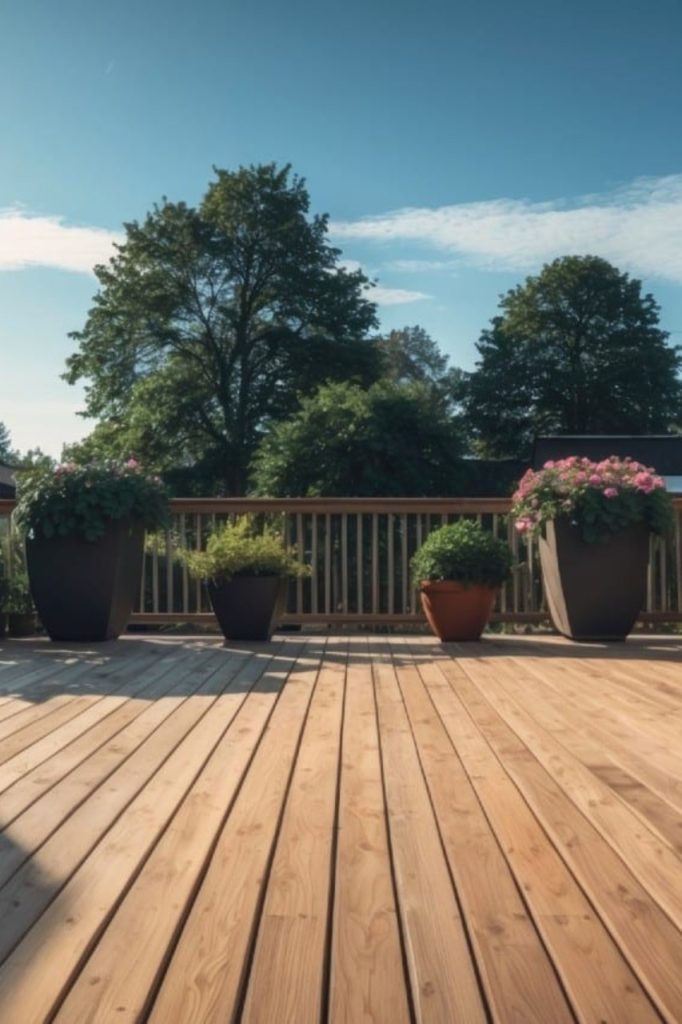
When the layout, materials, and features are planned around your lifestyle, the space feels comfortable, intuitive, and easy to enjoy. Instead of adapting to a one-size-fits-all design, custom decks are built to fit your routines, your yard, and the way you move between indoors and out.
The benefits show up in everyday use, long-term enjoyment, and overall home value.
A Layout Designed Around How You Actually Use the Space
Every good deck starts with a layout that reflects real life, not a generic footprint. Custom design puts you in control of how the space functions, whether you want room for entertaining, a quiet spot to unwind, or the flexibility to do both.
Instead of squeezing furniture into a pre-set shape, the deck is planned around your yard’s size, slope, and natural gathering areas, making the space feel intentional from day one.
Flow Between Indoor and Outdoor Living
When a deck is designed with your home’s layout in mind, moving outside feels effortless. Aligning the deck with kitchen doors, living rooms, or sliding glass openings creates a natural transition rather than an abrupt step out.
The result is an outdoor space that feels like a continuation of the home, not a separate feature added later.
Space That Adapts to Everyday Life and Special Occasions
Custom decks are built to handle how families actually live. They support casual meals, weekend gatherings, and quiet downtime without feeling cramped or underused. A well-planned layout allows the space to shift easily, from weekday routines to hosting friends, without constant rearranging or compromise.
Long-Term Enjoyment and Added Home Value
Beyond daily use, custom deck design offers lasting benefits. According to the National Association of Realtors’ 2024 Remodeling Impact Report, outdoor improvements consistently rank high for homeowner satisfaction and buyer appeal.
At the end of the day, a thoughtfully designed deck adds functional square footage, enhances curb appeal, and becomes an investment that pays off both now and in the future.
Deck Materials and Performance Considerations
Material choice plays a big role in how a deck looks, feels, and holds up over time. Most decks are built using pressure-treated wood, composite decking, or PVC materials, each with different strengths.
Pressure-treated wood offers a classic appearance and familiar feel, but it does require ongoing care like cleaning and sealing. Composite decking is popular for its consistent color, moisture resistance, and reduced upkeep. PVC decking goes a step further, offering strong weather resistance with minimal maintenance.
Durability, slip resistance, and heat retention are all factors worth weighing, especially for decks with full sun exposure. The U.S. Forest Products Laboratory notes that selecting the right materials directly affects both service life and structural performance. As such, this is an early decision that pays off later.
Designing for Function and Lifestyle
How a deck functions matters just as much as how it looks. Size affects comfort. Shape influences movement. Elevation determines how easily the deck connects to the yard and surrounding views.
Multi-level decks are a smart way to organize space without crowding it. One level might be set up for seating and conversation, while another supports dining or grilling.
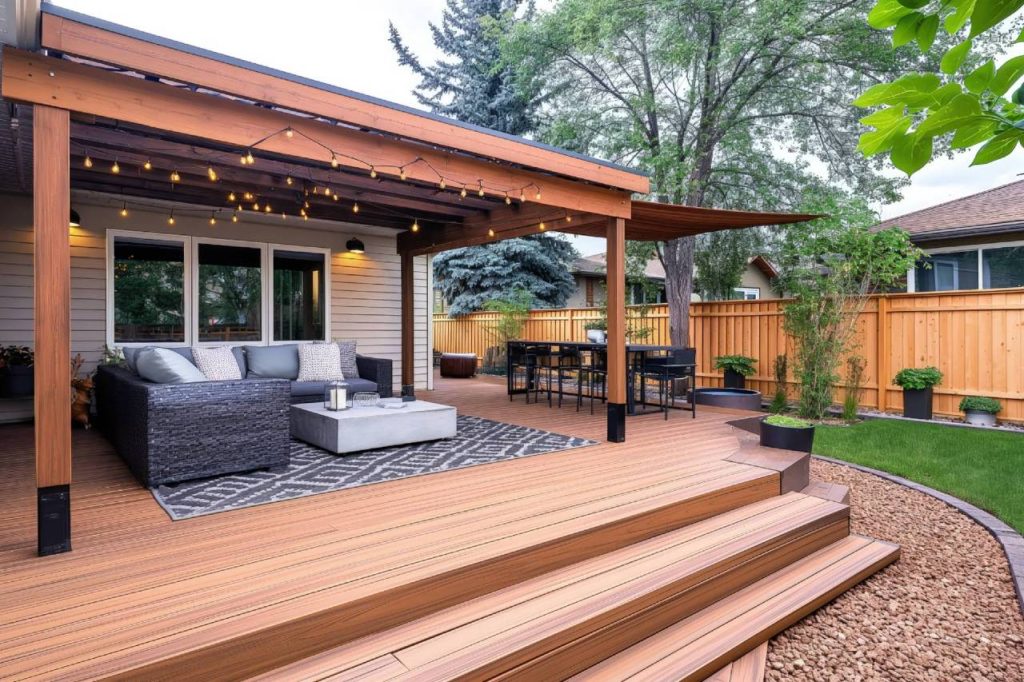
These subtle changes help define activity zones naturally.
Built-in features can also add both convenience and clarity. Benches reduce the need for extra furniture. Planters soften edges. Railings improve safety. Well-placed stairs guide movement without interrupting the flow.
Design planning also considers practical details (such as furniture dimensions, grill placement, and foot traffic), so the deck feels comfortable even when it’s full.
Outdoor Living Integration
A deck reaches its full potential when it’s designed as part of a larger outdoor living system. Instead of standing alone, integrated decks connect with shade structures, enclosures, and architectural features that make the space more comfortable, usable, and visually cohesive.
When these elements are planned together, the result feels intentional, like an outdoor extension of the home rather than a separate add-on.
Shade and Weather Protection
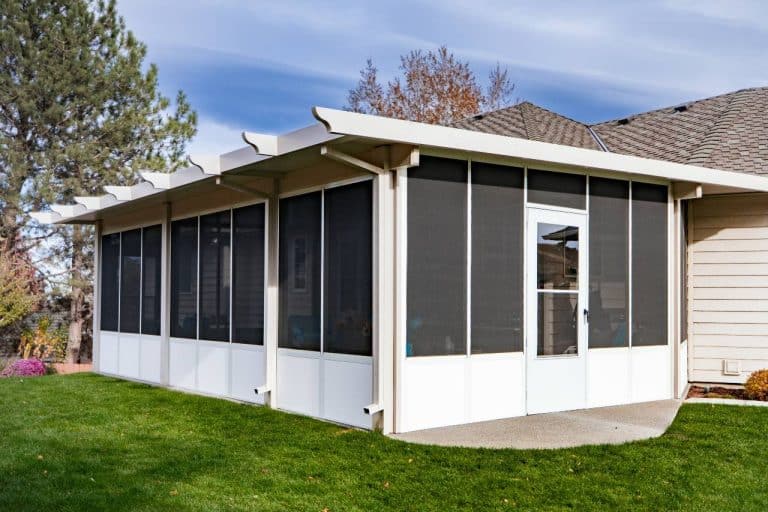
Patio covers and awnings play a major role in how often a deck gets used. Shade reduces heat buildup, protects furniture, and makes outdoor spaces more comfortable during bright summer days. Covered areas also allow homeowners to enjoy their decks during light rain or changing weather, extending use beyond ideal conditions.
When shade solutions are designed alongside the deck, posts, rooflines, and drainage can be coordinated cleanly.
Visual Structure and Defined Outdoor Spaces

Pergolas and similar structures help define the deck visually without closing it in. They create a sense of enclosure while preserving openness and airflow. These features help break large decks into comfortable zones (such as dining, lounging, or conversation areas), so the space feels organized rather than open-ended.
Extending Seasonal Use
Screen rooms and partial enclosures make decks usable well beyond peak summer months. Screens reduce insects and debris while allowing fresh air to circulate. In cooler seasons, enclosures help block wind and retain warmth, making the deck feel more inviting during spring and fall. Integrated planning makes sure these structures align properly with deck framing and access points.
Managing Sun Exposure Throughout the Day
Awnings and adjustable shade features provide flexibility as sunlight shifts. Morning sun, midday glare, and late-afternoon heat can all affect comfort differently. Movable shade solutions allow homeowners to adapt the space without rearranging furniture or retreating indoors, keeping the deck comfortable throughout the day.
A Cohesive Outdoor Experience
When decks, covers, pergolas, and enclosures are designed together, the space feels complete rather than pieced together over time. Coordinated materials, proportions, and transitions create a unified outdoor environment that functions smoothly across changing weather and seasons.
Deck construction professionals consistently note that integrated design improves long-term usability, comfort, and overall satisfaction.
Safety, Codes, and Structural Integrity
Deck performance starts with sound structural planning. Every element, from framing to fasteners, plays a role in how the deck handles weight, movement, and long-term use. Careful design and construction help prevent issues that affect safety and durability over time.

Proper framing supports both static loads and daily movement, with load calculations guiding beam sizing and footing placement. Railings and stairs also require precise planning, including height, spacing, and grip considerations that support safe use. Local building codes define these requirements, and permits establish the standards decks must meet before use.
Professional deck builders work within local code requirements and inspection processes to meet structural and safety expectations. The International Code Council regularly updates residential deck standards to reflect improved safety practices and performance benchmarks.
Following these guidelines supports stability, compliance, and reliable use over the life of the deck.
Customization Options
Customization shapes appearance and usability. Railing styles include wood, metal, and glass. Each option changes visibility and style. Deck finishes affect comfort and look. Lighter colors reflect heat. Darker colors create contrast. Lighting improves safety and ambiance. Step lights and perimeter lighting support evening use.
Accessibility also matters. Wider stairs and consistent surfaces help all users enjoy outdoor living decks comfortably. Design planning resources emphasize how customization supports daily use.
Construction Process Overview
Construction begins with site evaluation. Builders assess grade, soil conditions, and access. Design planning follows with layout review and feature selection. Material selection sets scheduling. Builders coordinate delivery and permits. Installation follows a clear sequence that includes framing, decking, and rail systems.
Timelines vary by project scope. Professional installation includes final inspection and walkthrough. Builders explain features and care basics before completion. Industry guides confirm that structured planning improves build quality and longevity.
Maintenance and Longevity

Maintenance depends on material choice. Wood decks need sealing and cleaning. Composite decks need periodic washing. PVC decks require minimal care. Quality construction reduces long-term work. Proper spacing and flashing protect against moisture. Secure fasteners limit movement.
Signs of concern include loose boards, unstable railings, and surface wear. Early repair protects the structure and supports safety. Construction professionals highlight how good planning reduces future repairs.
Start Planning Your Custom Outdoor Living Space
Custom decks support outdoor lifestyles with thoughtful design and solid construction. Planning shapes comfort and usability. Material choice supports durability. Outdoor living decks perform best when designed as long-term investments. Experienced deck builders support safety, compliance, and lasting performance.
Schedule a consultation with Patio Covers Unlimited NW to discuss custom decks and design an outdoor living space that fits your home and lifestyle.