
Screen rooms offer a welcoming space to enjoy the outdoors without dealing with bugs or too much sun. In the Tri-Cities, our winters usually mean chilly temperatures, biting winds, and the steady threat of moisture. These changing conditions make it important to take steps before winter arrives so your screen room stays comfortable and in top condition.
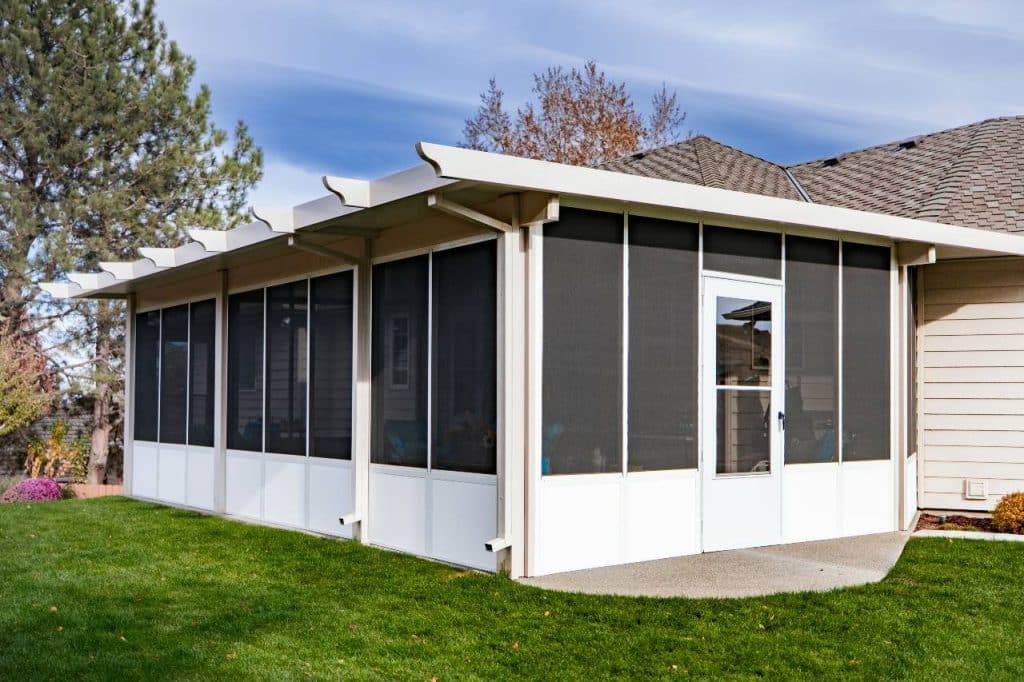
A study taken from three weather stations throughout the Tri-Cities area found there have been more weather swings over the past decade. These range from hard frosts to wet spells that test the limits of even well-built outdoor spaces. Without proper preparation, winter can expose your screen room to cold air, condensation, and even hidden damage, shortening its lifespan.
By learning to winterize these spaces, you can add comfort while protecting your investment for years to come.
Anyone who enjoys family gatherings, peaceful evenings, or holiday hosting knows how valuable a cozy screen room can be. This guide breaks down the key actions you can take to prepare your screen room for winter, backed by best practices for our local weather.
Inspect and Seal Before Cold Weather Hits
One of the key steps you can take is a thorough inspection before the cold sets in.
Look closely for:
- Gaps
- Cracks
- Worn areas in the framework, screens, and door seals.
These problems can usually be spotted with the eye test. Any openings can let in drafts and moisture, both of which compromise comfort and higher heating costs.
Pro Tip: Pay special attention to corners, where shifting or settling may create new gaps since last season.
How to Target Leaks and Drafts
Start your inspection on a dry day. When the sun goes down, use a flashlight to check for light coming through where it shouldn’t. Feel around seals and edges with your hand for cool air movement.
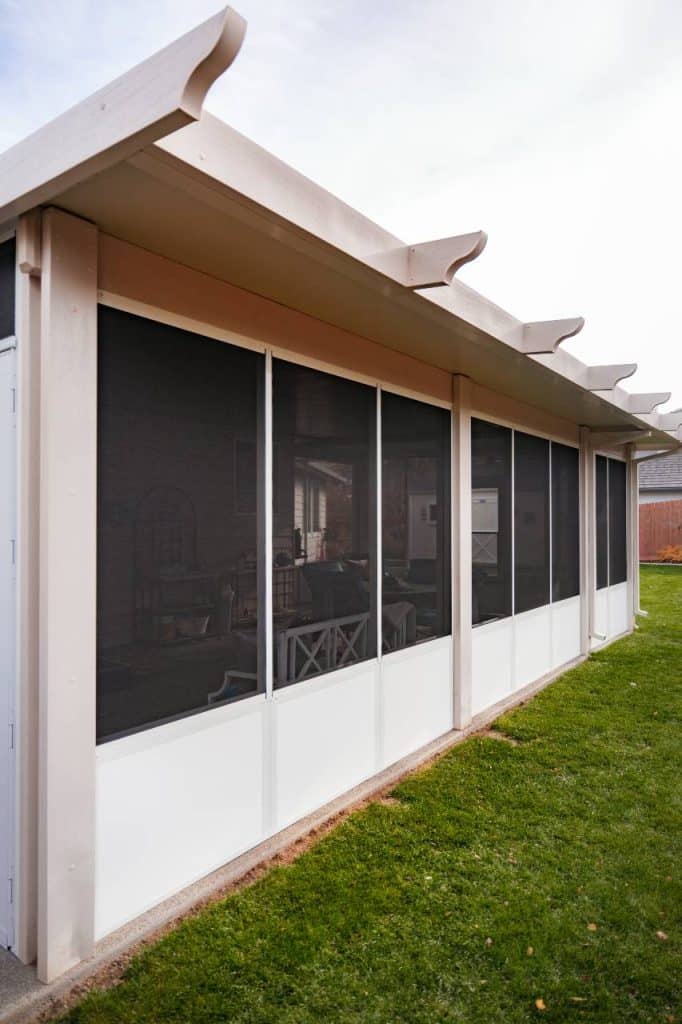
If you find any issues, start by using an outdoor-rated caulk or foam weather stripping to seal them. This quick job acts as a strong first line of defense, blocking out the elements before they cause more serious problems.
Add Weather Protection Features
Even with a waterproof sealant, standard screens provide little real insulation. To keep your screen room usable and warmer during winter, consider adding removable weather barriers. There are several solutions designed to fit most screen rooms without making permanent changes or blocking your view.
Clear Vinyl Panels
Clear vinyl panels can be fastened over screens to create a wind and cold barrier while still letting in daylight. These panels are easy to install and remove, allowing you to enjoy your view year-round.
Clear vinyl is weather-resistant and durable, making it an excellent choice for both temporary and semi-permanent solutions. It helps maintain warmth on chilly days, boosts comfort, and can be custom-cut to perfectly fit your porch or patio space.
Insulated Curtains
Insulated curtains, made from heavy-duty fabrics, can add warmth and privacy. For a more customized fit, removable window inserts (cut to match your openings) offer solid protection against gusty weather in Kennewick and beyond.
Protect Furniture and Flooring
Winter’s temperature swings and high humidity can be tough on furniture, rugs, and even decorative pieces in your screen room. Wood may warp, fabrics can mildew, and metal can rust when exposed to moisture and chill.
Ways to Protect Your Belongings
Keeping your screen room items safe during winter calls for a few practical steps. Here are some ways to protect your belongings:
- Use fitted, waterproof covers for furniture (available at local hardware stores) to prevent moisture damage.
- Store sensitive or valuable items indoors during the coldest periods, especially if your screen room gets little sunlight.
- Clean and roll up rugs, then store them until spring to avoid mold growth.
- Place mats near doors to catch snow or ice tracked in from outside, which helps prevent stains and floor damage.
Maintain Airflow and Prevent Moisture Build-Up
While sealing up against the cold is key, it’s equally important to maintain ventilation in your screen room. Proper airflow prevents moist air from becoming trapped, which can lead to condensation, mold growth, and gradual material deterioration.

Ventilation is key to making sure humidity escapes, protecting your porch from the damaging effects of trapped moisture, which is especially crucial during damp Pacific Northwest winters.
Striking the Right Balance in the Winter Months
If your screen room includes windows or vents, open them just a crack on dry, mild days to let in fresh air. A small, energy-efficient exhaust fan in your screened porch can help prevent excess moisture, especially after snow or rain.
Regularly check for signs of mold on surfaces and address it right away with a mild cleaner. These steps maintain a healthier, longer-lasting space throughout winter.
Use Space Heaters or Radiant Heat Safely
Heating your screen room can make the space much more comfortable, even on frosty nights. Many people choose small space heaters or radiant panels, but these require caution to use safely.
Best Heating Practices for Screen Rooms
Always place heaters on stable, non-flammable surfaces away from curtains or furnishings.
Only use heaters designed for indoor or enclosed porch use, and never leave them running unattended. Follow the manufacturer’s safety instructions closely. Plug electric heaters directly into electrical outlets rather than extension cords.
In recent years, several house fires in the Tri-Cities area have started from improper heater use. These measures can help you avoid that risk.
Regular Cleaning and Maintenance
Winter months commonly means more dirt, leaves, and ice may collect in and around your screen room. Regular cleaning keeps your space welcoming and helps prevent wear or damage that builds up unnoticed under snow and debris.
Keeping your screened-in porch clean during winter helps to prolong its lifespan and makes sure it’s ready for use in every season. Here are some essential cleaning tasks to help you maintain your porch:

- Sweep floors and brush off screens and frames each week, especially after storms.
- If ice forms on surfaces, use a plastic scraper instead of metal to avoid scratching or causing holes.
- Wipe down metal and other materials occasionally with a mild soap solution to remove moisture or grime that could lead to corrosion.
Staying vigilant with these easy steps can help you avoid larger maintenance problems down the road.
Benefits of Professionally Built Screen Rooms
Well-built screen rooms go a long way toward making winter preparation easier.
At Patio Covers Unlimited NW, we use high-grade, low-maintenance materials that are proven against the climate in places like Kennewick, Richland, and Pasco. Our designs prioritize tight seams, quality finishes, and solid framing to reduce the risks that come with extreme weather.
How Quality Craftsmanship Pays Off
With a sound structure, routine inspections show issues early on, and weatherizing steps become simpler. Owners of professionally-built screen rooms commonly report less need for repairs and enjoy longer-lasting finishes, even through cycles of freezing and thawing.
Frequently Asked Questions about Winterizing Screen Rooms
How to make a screened-in porch warm in winter?
To warm up a screened-in porch during winter, consider using portable heaters such as electric space heaters, infrared heaters, or propane heaters (with proper ventilation).
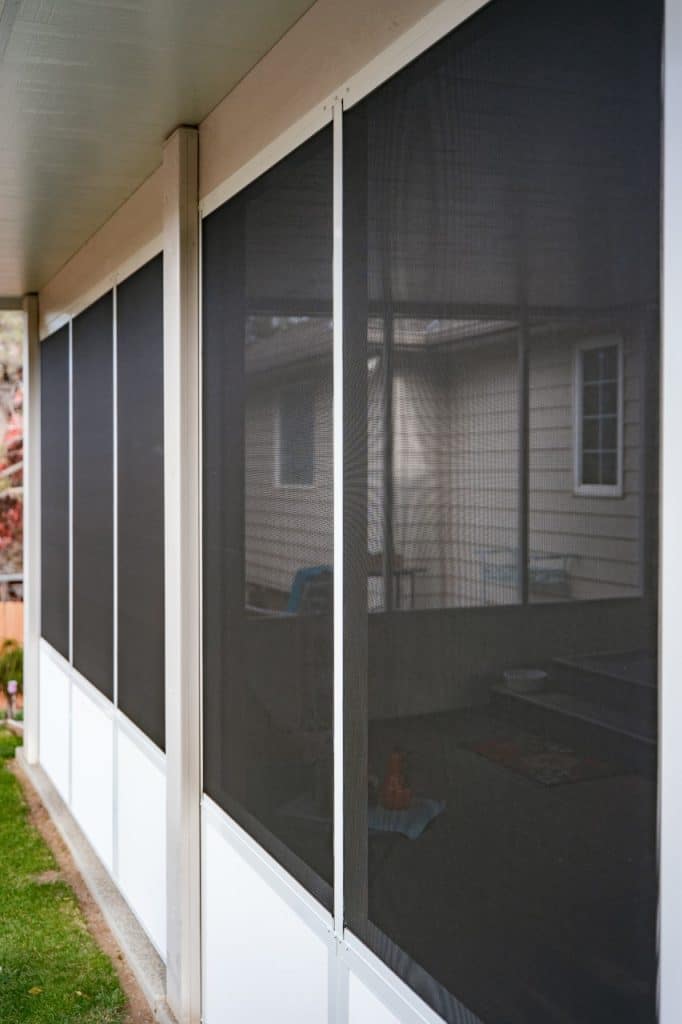
Layering the porch with thick outdoor rugs and heavy curtains or clear vinyl panels over the screens can help trap heat and block cold winds. Adding weather-stripping to doors and insulating the floors further reduces drafts.
Furnish with cozy blankets and cushions to create a comfortable, inviting space. Regularly check your heating equipment for safety and always follow manufacturer guidelines. With these measures, your porch can be a cozy retreat even in chilly months.
What type of heater can be used in a screened porch?
Several types of heaters can be safely used in a screened porch, depending on the layout and ventilation.
Electric space heaters are a popular choice due to their ease of use and lack of emissions. Infrared heaters are also effective, providing direct warmth without heating the air.
Propane heaters can be ideal if the porch is well-ventilated to prevent carbon monoxide buildup. Avoid using wood-burning stoves or open flames unless your porch is specifically designed for such use. Always position heaters away from flammable materials and follow all safety recommendations for comfortable, safe heating.
Can a propane heater be used in a screened-in porch?
Yes, a propane heater can be used in a screened-in porch, but only if the space is well-ventilated.
Propane heaters generate carbon monoxide and require a steady flow of fresh air to prevent dangerous gas buildup. Make sure your porch has open sides or plenty of airflow, and never use a propane heater in a fully enclosed or poorly ventilated area.
Always read and follow all manufacturer’s safety instructions. Installing a carbon monoxide detector nearby is a wise precaution. For the safest experience, it’s recommended to use an electric or infrared heater if ventilation is a concern.
Can you use a 3 season sunroom in the winter?
A 3-season sunroom can be used in winter, but it may not provide the same level of comfort as a fully insulated four-season room.
These sunrooms are typically designed to keep out rain and bugs, not extreme temperatures. To make the space usable, portable heaters and weatherproofing measures like thermal curtains, rugs, and temporary insulation can help retain warmth. However, without permanent insulation and double-pane windows, you may still experience drafts and heat loss.
For regular winter use, upgrading insulation or adding a supplemental heating source is recommended.
Should you insulate a screened-in porch?
Insulating a screened-in porch is a good idea if you plan to use the space year-round or want to convert it into a sunroom. Insulation helps retain heat during winter and keeps the area cooler in summer, making the porch much more comfortable.
Options include insulating the ceiling, walls (if enclosed), and floors. Installing insulated windows or storm panels can greatly improve thermal efficiency. While it requires an upfront investment, insulation reduces energy costs and increases your porch’s usability throughout the year, adding long-term value to your home.
Checklist to Winterize Your Screen Room
Preparing your screen room for winter helps protect it from harsh weather, reduces maintenance needs, and make sure it’s comfortable for year-round use. Use this easy-to-follow checklist to make sure your space is ready for colder months.
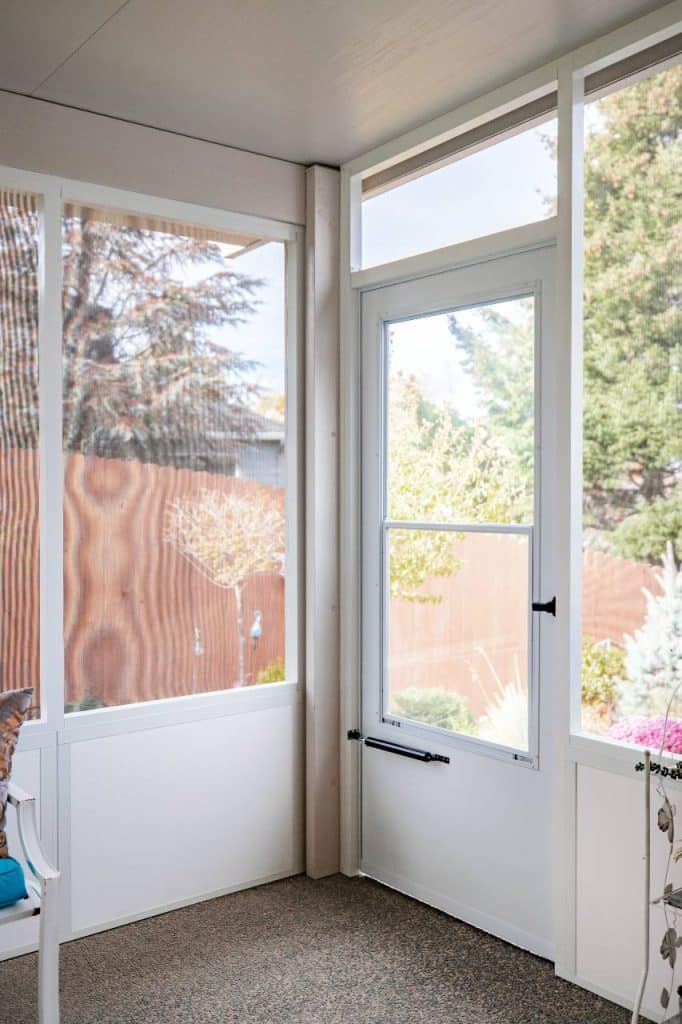
- Early Fall (September-October):
- Inspect screens and frames for damage; repair or replace as needed.
- Sweep and clean all surfaces, including floors, screens, and furniture.
- Check for leaks, gaps, or cracks; seal with weather-stripping or caulk.
- Test door and window closures for proper sealing.
- Mid Fall (October-November):
- Remove or cover summer furnishings with waterproof covers.
- Install clear vinyl panels or heavy curtains over screens to block drafts.
- Place draft stoppers at doorways and windows.
- Deep clean and store any items not needed for winter.
- Late Fall (November):
- Set up portable heaters or other safe heating options if desired.
- Lay down outdoor rugs or mats for extra insulation.
- Double-check all seals, covers, and weatherproofing before the first freeze.
- Make sure proper ventilation to prevent moisture buildup.
Following this timeline will help make sure your screened room is protected and comfortable all winter long.
Why Choose Patio Covers Unlimited NW
We built our reputation in the Tri-Cities on screen rooms that stand up to the region’s demanding seasons.
Our team listens to each homeowner’s needs, designing spaces that work for the wettest winters and sunniest summers. We select materials that combine strength with ease of care, reducing the amount of time you need to spend on upkeep and repairs.
Durable Solutions for the Colder Months, Built for the Pacific Northwest
Winterizing a screen room should be a yearly habit for anyone in the Tri-Cities who wants to use their space for as many months as possible.
Whether you tackle these projects yourself or seek professional advice, taking action now can keep your screen room comfortable, safe, and beautiful even when the weather is harshest. Proper care now means fewer headaches and expenses in the future, letting you enjoy winter evenings or early spring mornings surrounded by the outdoors, right from the comfort of your own home. Want to make your screen room a cozy retreat this winter? Contact Patio Covers Unlimited NW today to learn more about winterization options and professional screen room installations built to last.

