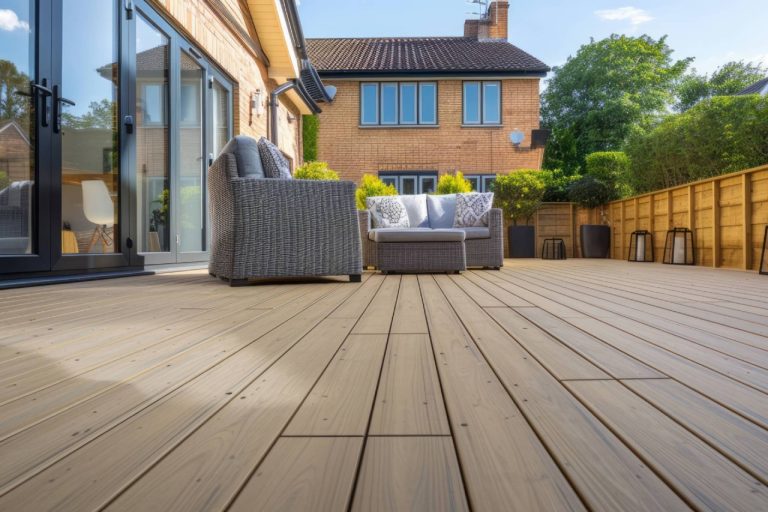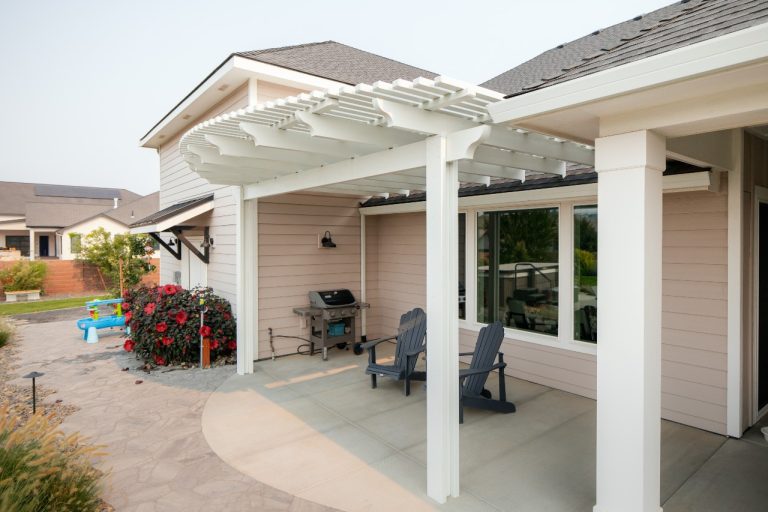
Outdoor living increasingly plays an active role in how Pacific Northwest homeowners use their homes. Patios are planned with daily use in mind, serving as comfortable gathering areas that support both relaxation and entertaining.
As expectations for outdoor spaces evolve, patio cover designs have become a central part of creating spaces that feel usable and visually cohesive.
A well-designed patio cover helps regulate sun exposure, shields furnishings from the elements, and establishes a defined outdoor area that feels intentional. Design decisions also influence how naturally the structure connects with the home’s existing architecture, supporting curb appeal and continuity.
When comfort and aesthetics are addressed together, a patio cover becomes an integrated extension of the home’s living space.
Let’s talk about how.
The Importance of Patio Cover Design

The growing demand for functional outdoor living reflects a shift in how homeowners view their patios.
No longer just an uncovered slab or paver patio, today’s outdoor space often serves as an outdoor living room, an entertaining space, or even a place for relaxing during daily routines.
According to Houzz, the market demand for outdoor spaces has surged by 50% since 2020. People are looking for harmonious living environments that are personalized to their needs and hobbies.
Patio cover designs help define how that space works. The right structure can protect seating from sun and rain, regulate airflow, and visually anchor the outdoor area to the home.
When design and function work together, the patio becomes an extension of the living space rather than a disconnected add-on.
Understanding Your Outdoor Space (Before Designing)
Before choosing from patio cover ideas or materials, you need to understand the outdoor area itself.
Start by evaluating the size and layout of your patio. A compact outdoor patio may benefit from a streamlined, minimalist design, while larger spaces allow for more layered design elements, such as defined seating areas or a dining zone.
Sun exposure and wind direction are also critical. In the Pacific Northwest, weather patterns vary widely by season, even if we are characterized by rainy and overcast days much of the year.
A patio cover that provides shade in summer while still allowing light in cooler months can make the space more usable year-round. Wind exposure may influence roof style, support placement, and whether retractable covers or screens are appropriate.
Existing landscaping and hardscaping also affect design decisions. Mature trees, climbing plants, and nearby garden beds can either complement or conflict with certain patio cover designs.
Ultimately, the goal is to enhance (not overpower) your current outdoor environment and its nature.
Types of Patio Cover Designs to Consider

There is no single right patio solution for every home. Even the best patio cover ideas serve different needs, climates, and styles.
(1) Solid Patio Covers
Solid patio covers provide maximum shade and weather protection, making them a popular choice for homeowners who want consistent coverage. They work well for families who use their patio frequently or want to protect outdoor furniture, outdoor fabric, and fireplaces from sun and rain.
(2) Lattice and Pergola-Style Covers
These designs offer filtered light and a strong visual presence. They’re ideal for homeowners who want partial shade while maintaining an open feel.
Lattice covers also pair well with climbing plants, adding texture and natural materials to the outdoor area.
(3) Insulated Roof Panels
Insulated patio covers help regulate temperature beneath the structure, creating a more comfortable outdoor living space during warmer months. They’re often used when homeowners want to create a true outdoor living room feel.
(4) Modern Aluminum and Steel Designs
Sleek aluminum and steel patio covers support a clean, minimalist design and are valued for low maintenance and long-term durability, especially in areas with seasonal rain and wind.
Custom Patio Covers: Personalizing the Experience
Custom patio covers allow homeowners to uniquely design around how they actually use their patio, rather than forcing the space to adapt to a pre-set structure.
Customization often starts with matching exterior finishes and rooflines to the home’s existing design. From there, features like integrated lighting, ceiling fans, and decorative beams help create a cohesive and inviting outdoor living experience.
For homeowners who entertain often, built-in speakers or a full outdoor kitchen can elevate the space. Others may prioritize a comfortable seating area with soft lighting and privacy panels.
These design ideas help shape how the patio (and your entire backyard) feels at different times of day and across seasons.
Comfort Enhancements That Extend Usability

Comfort features can significantly increase how often a patio is used. Some popular options include:
Airflow and Temperature Control
Ceiling fans help circulate air during warmer months, making a covered patio feel more comfortable during peak sun hours. Outdoor heaters extend usability into cooler evenings, allowing homeowners to enjoy their patio across more seasons.
Flexible Shade and Weather Protection
Shade extensions and retractable covers provide flexibility as sun angles shift throughout the day. Retractable screens add protection from insects and wind without fully enclosing the outdoor area, preserving an open-air feel.
Privacy and Outdoor Living Space Definition
Privacy panels help define the patio as a dedicated living space, particularly in neighborhoods with close property lines. They also add visual structure while creating a more comfortable and secluded environment for daily use or entertaining.
Choosing the Right Materials
Material selection plays a major role in both aesthetics and longevity.
- Aluminum is lightweight, resistant to weather, and requires minimal maintenance.
- Wood offers warmth and natural appeal but requires regular upkeep.
- Steel provides strength and durability, often used in modern patio cover designs.
Natural materials can help soften the appearance of an outdoor patio, adding warmth and texture that blend well with landscaping and traditional home styles.
Metal structures, on the other hand, support cleaner lines and a more contemporary feel, making them a strong fit for modern homes or minimalist design preferences.
While cost differences between materials are part of the decision-making process, long-term durability, weather resistance, and maintenance requirements often have a greater impact on overall value.
Choosing materials with these factors in mind helps create a patio cover that holds its appearance and performance over time, rather than one that requires frequent repairs or refinishing.
The Importance of Professional Patio Cover Installation

Even the best patio cover designs rely on proper installation to perform as intended. Professional patio cover installation supports structural integrity, proper anchoring, and long-term stability.
Load-bearing requirements, drainage planning, and local code compliance all play a role in how a patio cover functions over time. Improper installation can lead to water pooling, structural stress, or premature wear.
Trust us: these issues are far easier to prevent during the planning phase of any patio cover construction project than to fix later.
Working with experienced professionals also helps homeowners avoid common design mistakes that compromise durability. They’ve done this before, and they’ll guide you in the right direction.
Blending Aesthetics with Function
A successful patio cover blends visual appeal with everyday usability. Coordinating roof pitch and lines with the home creates continuity, while thoughtful color matching helps the patio feel intentional rather than added on.
The National Association of Homebuilders said, “As the boundaries between indoor and outdoor living continue to blur, patios have evolved into sophisticated extensions of the home.” Seamless transitions between indoor and outdoor living make the patio feel like a true extension of the living space.
When design and function align, the patio becomes a natural gathering point in your backyard, rather than a secondary feature.
Long-Term Value of Custom Patio Covers
Custom patio covers offer lasting value beyond immediate comfort. They increase usable living space, improve how homeowners engage with their outdoor area, and support property appeal.
For families, a covered patio becomes a flexible entertaining space or a quiet retreat. For future buyers, it signals thoughtful outdoor living design and functional upgrades.
Common Design Mistakes to Avoid
Even well-intentioned patio projects can run into problems when early planning decisions are rushed or key factors are overlooked. Many issues don’t become obvious until after installation, when comfort, durability, or usability fall short of expectations.
Being aware of common design mistakes ahead of time helps you make informed choices and avoid setbacks that can affect both performance and long-term value.
Overlooking Sun Exposure and Climate Factors
Failing to account for sun angles and seasonal weather patterns can lead to inadequate shade and reduced comfort. On the other hand, strategic orientation and coverage planning help the patio remain usable throughout the day and across changing conditions.
Underestimating Structural Requirements
Insufficient support or improper load planning can affect both safety and long-term durability. Patio covers need to be designed with proper anchoring and structural considerations to perform well over time.
Prioritizing Appearance Over Performance
Focusing solely on aesthetics without considering materials and durability can result in premature wear or damage. Design choices should balance visual appeal with long-term functionality.
DIY Installation Without Proper Planning

Attempting installation without professional guidance often leads to drainage issues, structural stress, or code-related problems. Careful planning from the start helps avoid repairs and make sure the patio cover performs as intended.
Let’s Create an Outdoor Space You’ll Use for Years
Well-designed patio cover designs support both lifestyle and long-term home value. By considering layout, climate, materials, and comfort features before construction begins, Tri-Cities homeowners can create outdoor living spaces that feel intentional and durable.
For those exploring custom patio covers, a professional consultation is the best way to identify the right solution. We’ll talk about your patio, your home, and how you plan to use the space. Contact Patio Covers Unlimited NW to schedule a consultation and explore patio cover styles customized to your outdoor lifestyle and the Pacific Northwest climate.